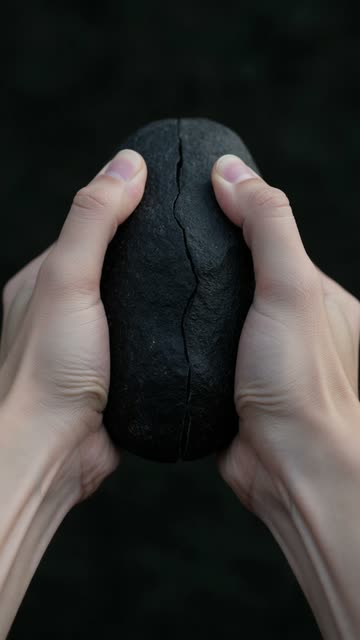
Shock, Curiosity, Payoff
Best for: Experiments, cooking, challenges
The hook
- Say
- I cooked a steak in my dishwasher.
The first 3 seconds
- 0.0sShock: “I cooked a steak in my dishwasher.” The steak goes in.
- 1.5sCuriosity: does that even work?
- 2.5sThe test starts.
- 3.0sThe viewer stays for the payoff.
Why it works
YouTube's Shorts team describes the ideal first second as shock, then curiosity, then a satisfying payoff.
What you need
- An unexpected idea that's safe to test
- A clear way to show the result
- Time to run the test
Step by step
Plan
- Find an idea that's shocking but safe and possible.
- Plan the payoff: how you'll clearly show whether it worked.
Film
- Film the shocking first moment, with the thing in view.
- Film the test and a clear result: cut it open, taste it, measure it.
Edit
- Cut anything that isn't shock, curiosity or payoff.
- Show the payoff clearly at the end, close up.
Use it in your niche
- CookingI made a grilled cheese with a clothes iron.
- TechI tried to charge my phone with a potato.
- ClothesI froze my jeans instead of washing them.
Pro tips
- Make the shock visual. Show the steak going into the dishwasher; don't just say it.
- Answer the question honestly, even if it failed.
Avoid
- Unsafe ideas. Platforms remove them, and people copy them.
- A payoff that's unclear.